Current Challenges
Climate change is here, and there’s no greater problem to address.
Governments are responding slowly (if at all), and the private sector is focused on high-tech, monetizable solutions. The vast majority of the earth’s population has been left with “consume less” as a singular contribution option.
"Carbon neutral" would have been a good target at the beginning of the industrial revolution, but we now have 200 years of industry to make up for. Carbon negative is where we need to be, but that means carbon capture and sequestration in addition to emissions reduction.
Fortunately, carbon-capture technology (plants) and a safe carbon-sequestration pool (the soil) already exist. Globally, the top meter of soil is estimated to contain 1500 gigatons of carbon. Deep soils (below that top meter) contain another 1500 gigatons of carbon, 90% of which is fairly stable.
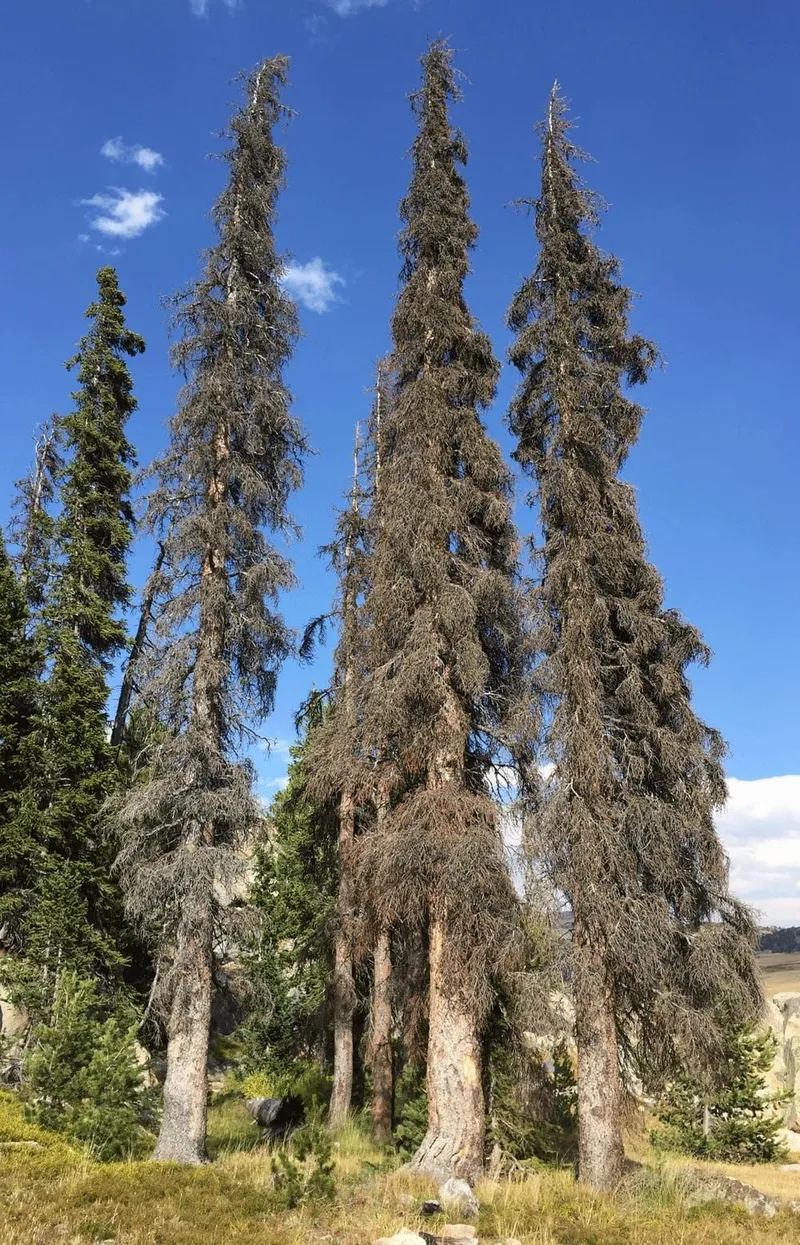
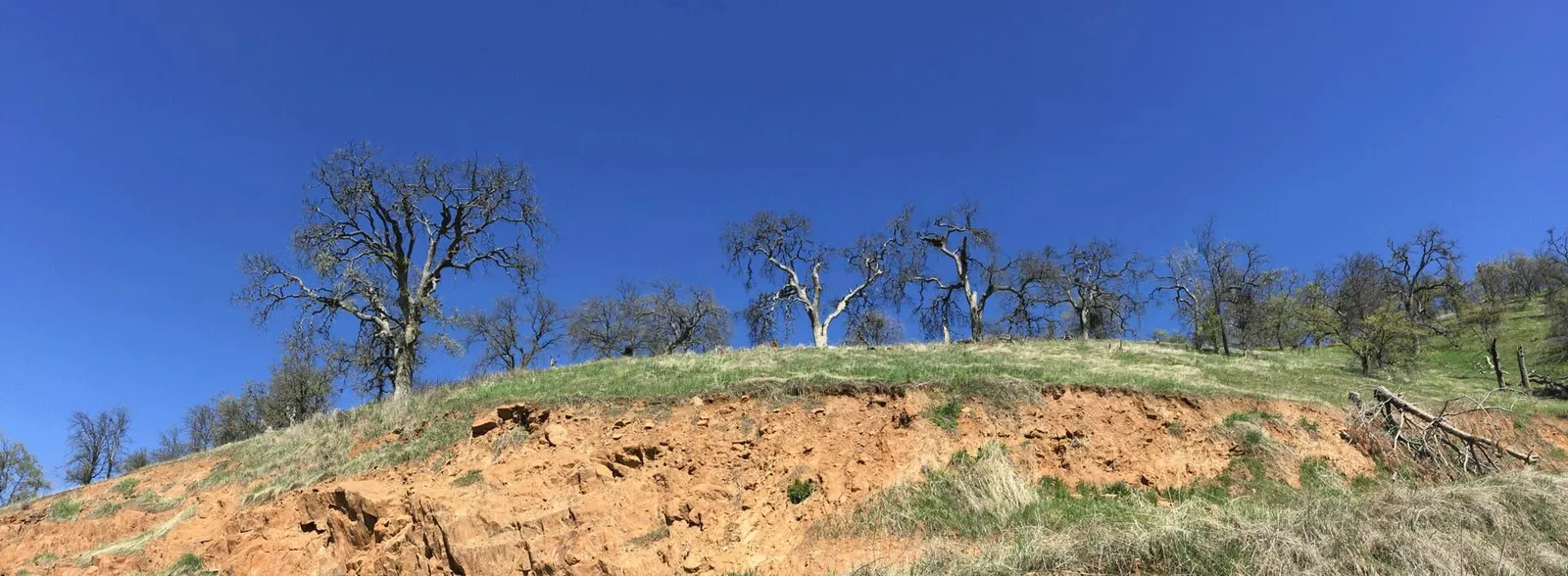
At this moment, there is an abundant above-ground source of carbon that could be put into the soil. Due to a combination of changing weather patterns, fire-suppression practices, exotic and native pests, and exotic pathogens, there are many dead and dying trees across North America.
Drought has killed and stressed millions of trees in western North America. Shade-intolerant trees need open canopies to grow, so fire-suppression practices have pushed forests towards monoculture. Drought stress, lowered forest diversity, and longer breeding seasons have been a boon for mountain pine beetles, which have proliferated and killed tens of millions of acres of lodgepole pine, ponderosa pine, and Douglas fir.
Exotic pests and diseases are marching across North America. Chestnut blight, Dutch elm disease, and white pine blister rust remade the North American landscape in the 20th century, killing billions of trees. Emerald ash borer, sudden oak death, oak wilt, laurel wilt, and many others will have huge impact over the next century. To give a sense of scale, emerald ash borer alone is expected to kill most of the 8.7 billion ash trees in North America. One pest, 8.7 billion trees.
This above-ground carbon source is also fuel for the next wildfire. 6,600,714 acres (10,313 square miles) of West Coast states and provinces burned in 2017. The largest fire in California’s history happened in 2018. Fire-suppression practices are doing nothing to prevent future wildfires, as trees continue to die and then season in-place in the relative low humidity of the West.
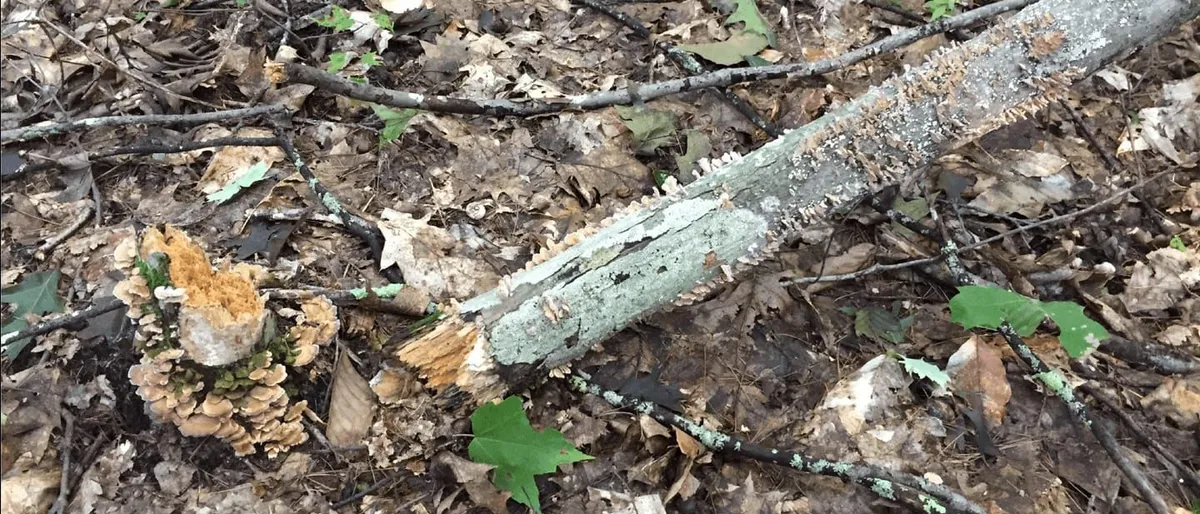
However, there is a cheap, low-input technology for bringing trees to ground and turning them to soil: