Fungi as a Solution
Decomposer Fungi
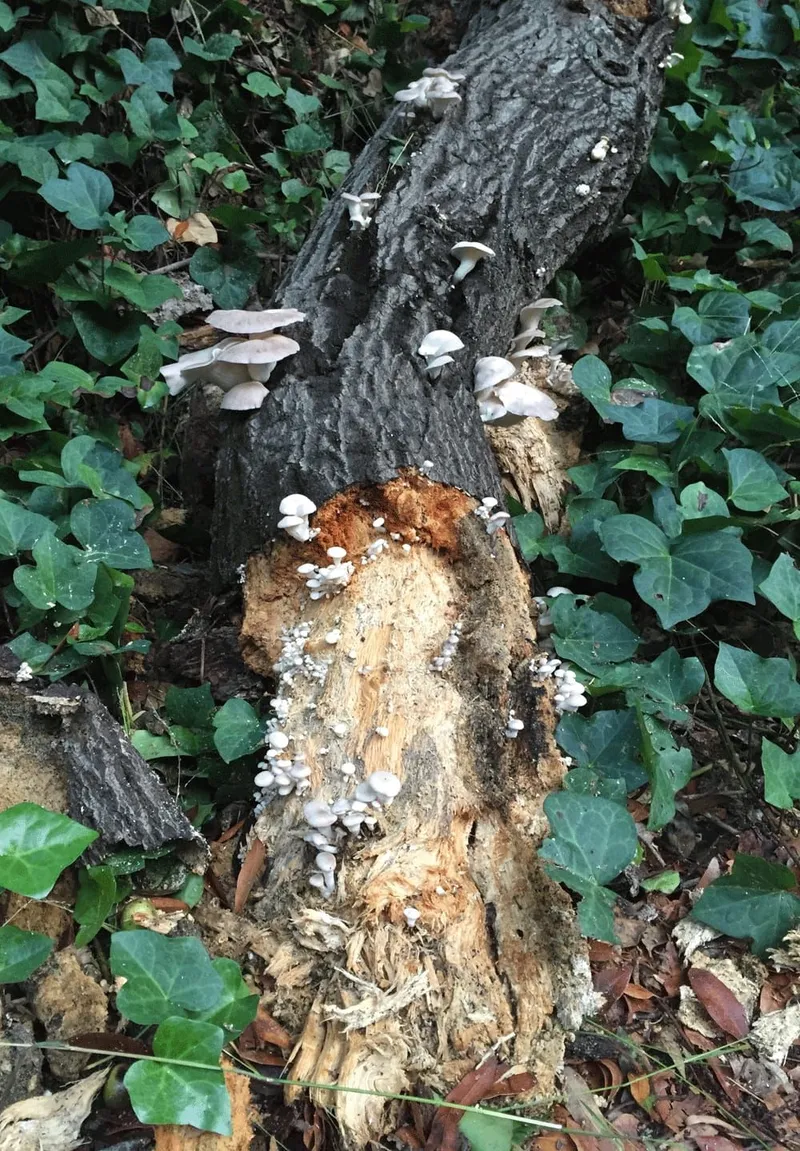
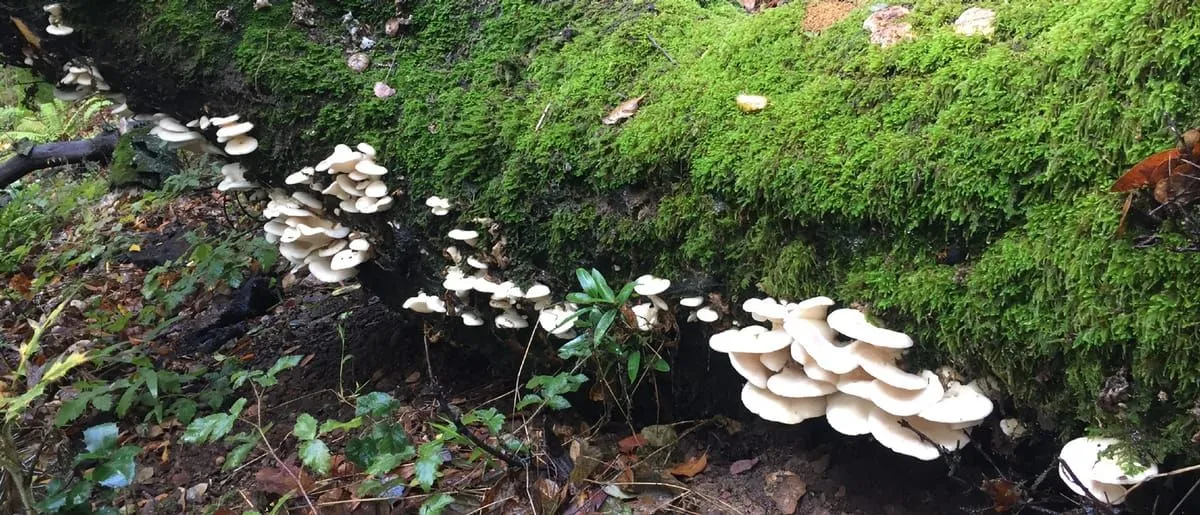
Lignin and cellulose, the primary components of wood, are relatively difficult to break down, but they’re little match for decomposer fungi. Given the right conditions, fungi can bring down trees relatively quickly, turning dry snags into moisture-retaining sponges, and then eventually soil.
Decomposer fungi can also create wildlife habitat. Lion’s mane and maitake create tree-trunk cavities that wildlife can shelter in. Recent research has shown that certain woodpeckers carry wood-decomposer fungi on their beaks, and introduce it to pine trees for help in excavating what will be eventual roosts.
Fungi can produce gourmet and medicinal mushrooms. Mushrooms such as shiitake, oyster, maitake, enoki, etc. all fruit from saprotrophic fungi.
Decomposer fungi can remediate damaged soils. They produce powerful enzymes, some of which are capable of breaking down pollutants such as petroleum, creosote, PCBs, and pesticides. Many fungi are also capable of biofiltration, removing and digesting harmful bacteria.
Lastly, decomposer fungi improve ecosystem health by making a tree’s nutrients available to other organisms. As fungi digest wood, nutrients that were locked up become available to the food web.
Candidate Fungi
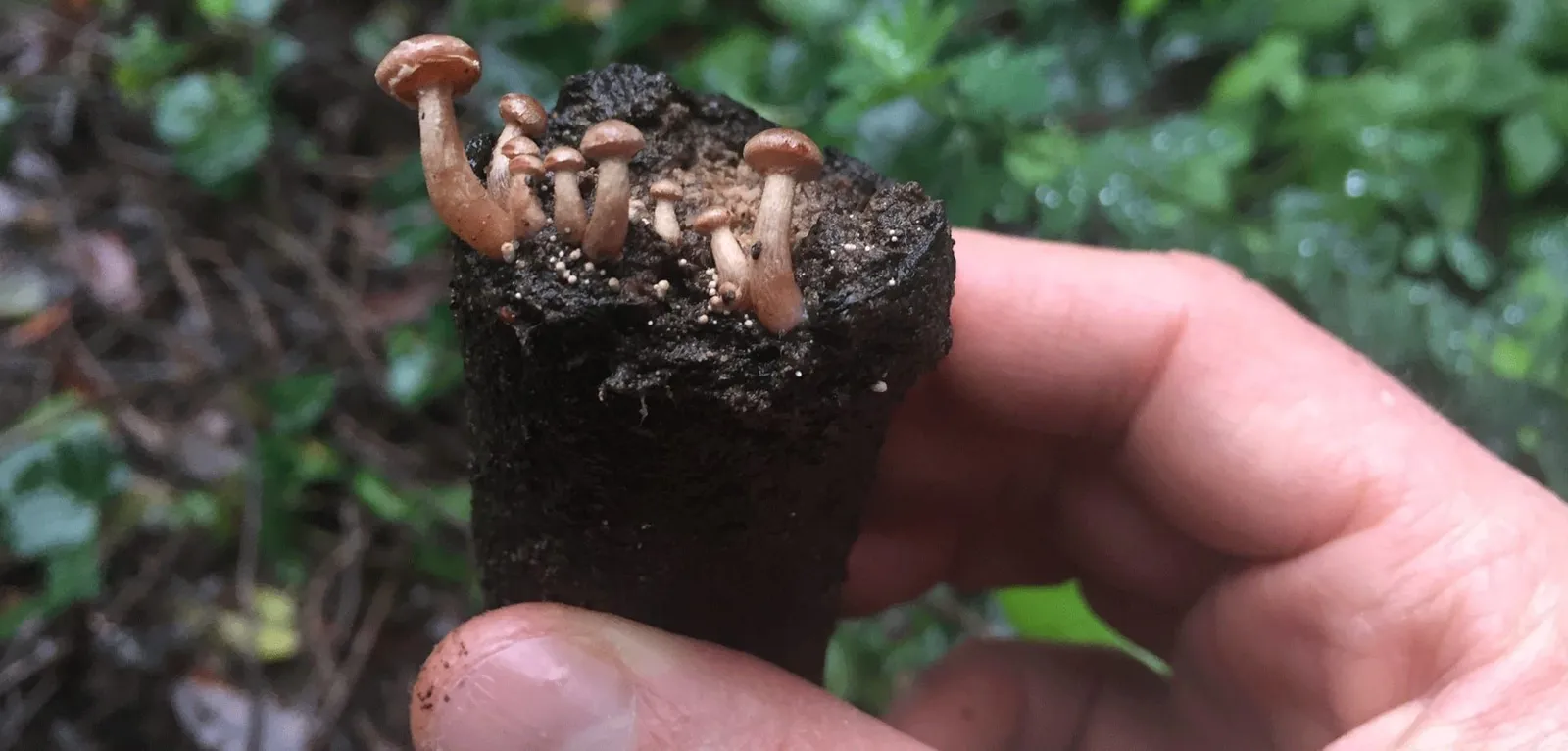
The best fungus for a particular decomposition job depends on numerous things, such as growing conditions, wood type, and decomposition state of the wood. The following descriptions are for a few well known species.
Oysters
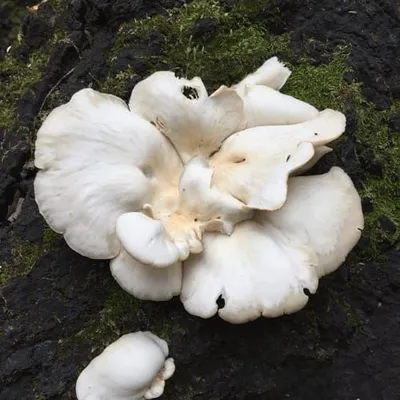
Workhorses of the gourmet-mushroom world, oysters are adapted to consuming a large variety of wood types. Oysters are also carnivorous, eating nematodes and springtails. They can break down petroleum products, and are being studied for remediating contaminated soils. Pearl oyster (and its blue/pink/gold variants) are great for most hardwoods. Phoenix oyster is the one to use for softwoods.
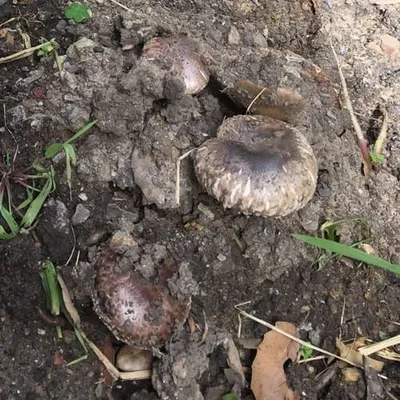
Shiitake
Shiitake mushrooms have been cultivated in Asia for over 800 years and are the most commonly cultivated wood-decomposer in the world today. Cultivators have started producing a number of shiitake varietals, with different features and different fruiting temperatures.
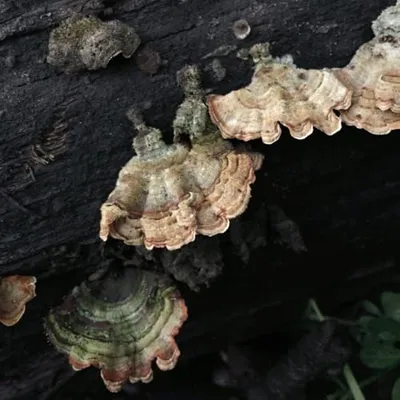
Turkey Tail
If oysters are workhorses, turkey tails are pit bulls. They're voracious decomposers that will aggressively grow on hardwoods and softwoods. Specialty cultivators usually need to separate turkey tails from other varieties, because the fungus is known to “leap off” onto other logs. Turkey tail mushrooms are inedibly tough, though they can be ground up for soups or teas.
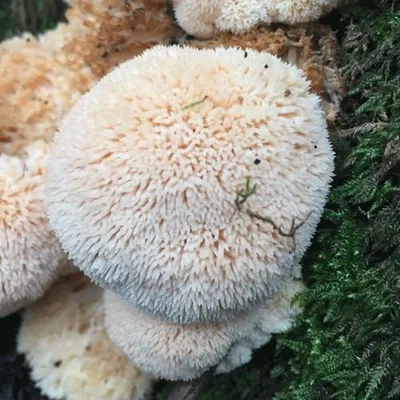
Lion’s Mane, Bear’s Head, and Bear’s Head Tooth
Odd looking (but delicious), tooth fungi of the Hericium genus, these species are locally parasitic and decomposers. They serve an important ecological role, causing pocket rot on trees, and creating cavities in which wildlife can shelter. Lion’s mane and bear’s head tooth both grow on oaks and other hardwoods. Bear’s head grows on softwoods.
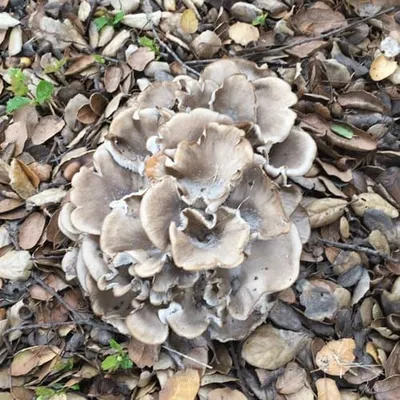
Maitake
A weak parasite (takes nutrients, but usually not enough to kill a tree) and decomposer on oaks and a few other hardwoods, Maitake causes root rot and lower-trunk pocket rot. It produces large flushes of gourmet mushrooms, sometimes up to 50 lbs. Highly sought after for its taste and texture.
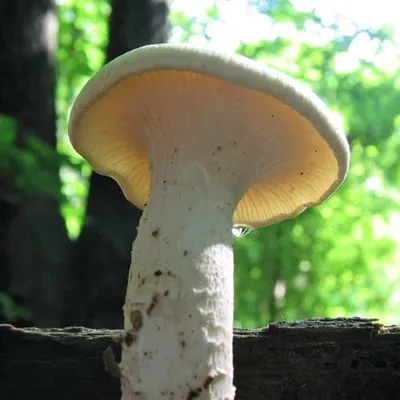
The Trainwrecker
Described by some as “technically edible," but better known for its remediation abilities. Trainwreckers get their name from being able to break down creosote! They’ve been found growing on railroad ties and near coal mines, but are more commonly found growing on conifer stumps. Photo: Lentinus sp. (46193) by hríb